

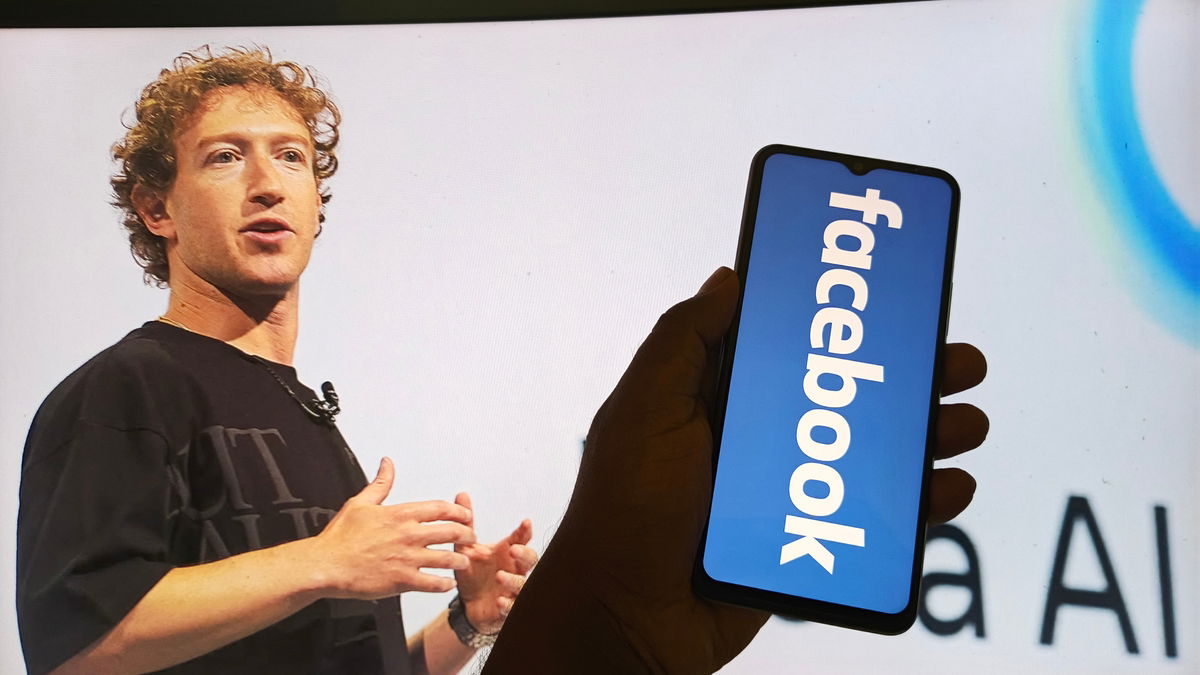
Facebook (now Meta) is currently running a limited test that limits some users to sharing only two external web links per month in organic posts unless they subscribe. Meta verifieda paid verification service that costs approximately €10.80 to €12.90 per month (depending on region and purchase method). This change primarily targets profiles in Professional Mode and Facebook Pages (used by creators and businesses), but could also extend to regular users who casually share links to articles, blogs, videos, and shopping sites.
What is Facebook’s new external link restriction test?
Meta has confirmed that it is experimenting with capping the number of posts that include external links for certain unsubscribed accounts. A notice users see states: “Starting December 16th, certain Facebook profiles that are not meta-verified will be limited to sharing links in two organic posts per month.”
This test is currently affecting users in the UK and US.
Exceptions include links in comments, affiliate links, and links to other meta platforms (Instagram, WhatsApp, etc.). Publishers and news organizations are currently excluded. Sharing globalnewsphere articles is free. Meta describes this as a way to assess whether unlimited link sharing “adds value” to paid subscribers.
What does this mean for regular Facebook users?
The test was limited and focused on professional accounts, so most everyday users who don’t share external links frequently (e.g., more than two per month) won’t notice any direct changes. However, indirect impacts may include:
- Reduced diversity of content in your feed: When your friends, family, or creators you follow reach a limit, they may share fewer articles, news articles, recipes, and product links. This will instead result in more native photo, video, or text posts, which can make your feed feel more repetitive.
- Fewer shares of news and blogs: Casual users often spread interesting reading material. Broader deployments can reduce overall shared links and limit the discovery of external content, such as trending articles and helpful guides.
- Migration to content on the platform: Facebook could encourage more posts to stay within its ecosystem, reduce “leakage” to external websites, and increase scrolling time in the app.
Social media analyst Matt Navarra said this is consistent with the increasing “paywalling” of platforms, which could completely inhibit natural sharing.
News sharing and its impact on website traffic
Even ordinary users can play a major role in news distribution by sharing links. This test is built on long-term trends.
- Facebook referrals to news sites decreased by nearly 60% from 2018 to 2024, but rebounded slightly in 2025 (according to Chartbeat data).
- A reduction in user-shared links can further reduce traffic to publishers, bloggers, and small businesses.
- If expanded, it could reduce the usefulness of Facebook for discovering external news, directing users to visit it directly or to other platforms.
I failed before, will I fail again?
One notable failure by Facebook to introduce charges for its services is that at the end of 2023, the company launched a paid “ad-free” subscription option for Facebook and Instagram users in the European Union, ranging from around 9.99 euros to 12.99 euros per month. This model was aimed at addressing strict EU privacy regulations that require free consent for personalized ads, giving users the option to pay to remove ads and limit the use of their data for targeting, or continue with the free ad-supported version. But it faced immediate and intense backlash from privacy advocates, including complaints from groups like Noyb (None Of Your Business), who argued that it violated GDPR principles by forcing users to pay a “privacy fee” rather than offering truly free consent. European data protection authorities criticized this approach as undermining fundamental rights, led to continued regulatory scrutiny, and forced Meta to legally defend the model without achieving widespread adoption or abatement of controversy.