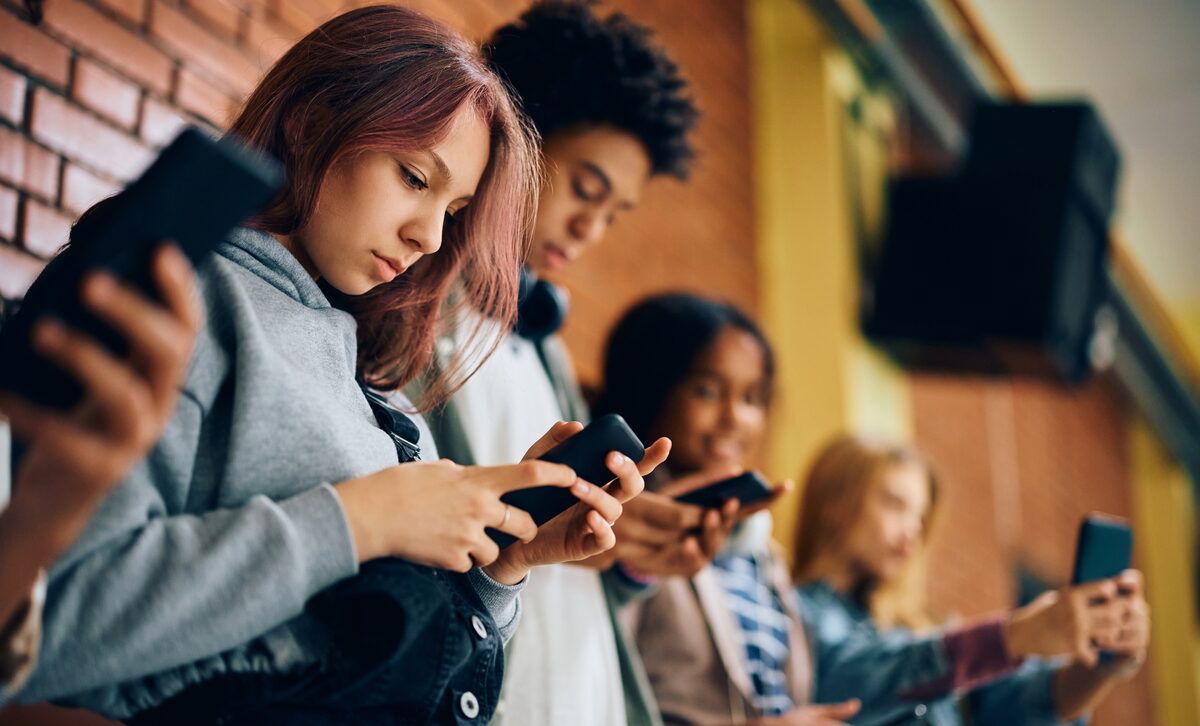
Australia is set to implement a blanket ban on major social media platforms for children under 16, in a move described as the toughest child protection laws on the planet. The new law, which takes effect on Wednesday, December 10, will prohibit anyone under 16 from opening new accounts and require existing profiles to be deactivated across a wide range of services, including TikTok, X, Facebook, Instagram, YouTube, Snapchat and Threads.
This unprecedented move has drawn attention around the world, particularly in Europe, where concerns about young people’s mental health are at odds with fundamental issues of online freedom and data privacy.
Scope of prohibition and enforcement
The Australian government commissioned a study in early 2025 that revealed the grim statistics. Ninety-six percent of children aged 10 to 15 use social media, and seven in 10 are exposed to harmful content, including content that promotes suicide, eating disorders, and misogyny. Similarly, the majority reported being victims of cyberbullying. This ban has been justified by the government as necessary to reduce the negative effects of design features that encourage excessive screen time and provide content that is harmful to health and well-being.
Importantly, the law avoids punishing children or parents. Instead, full responsibility for law enforcement will fall on the tech giants themselves. If social media companies are found to be accessing social media in Australia with minors under the age of 16, they could be subject to staggering fines of up to A$49.5 million (US$32 million) for serious or repeat violations. Platforms must take “reasonable steps” to ensure a user’s age and are prohibited from relying on simple self-authentication or parental permission. Enforcing this will require the introduction of advanced age assurance technologies such as government ID, facial or voice recognition, and so-called “age inference” analysis.
Social Media Ban – Online Security and Online Safety
But critics warn that the hefty fine may amount to little more than a slap on the wrist for a huge company like Meta, saying it will only take the company a few hours to get that amount. “It looks like a backdoor way to control access to the internet for all Australians,” Elon Musk said on X. Meta has already reluctantly begun removing young users from its platform, issuing a statement. “While we are committed to meeting our legal obligations, we have consistently raised concerns about this law… Experts, youth organizations, and many parents agree that a blanket ban is not the answer. It isolates teens from online communities and information while providing inconsistent protections across the many apps they use.”
Annika Wells, Australia’s communications minister, said: “If YouTube is reminding us all that there is content on its website that is unsafe and inappropriate for age-restricted users, then that’s a problem YouTube needs to fix.”
Part of the broader concern about how social media companies will enforce this ban is how they will do so. In the case of Meta and Facebook, users must identify themselves with a selfie that directly links their account and everything they say to their ID, potentially compromising privacy and anonymity, especially in the context of political debate.
Credit: White Rabbit Podcast
Reliance on age verification technology raises significant data protection concerns in countries that have recently experienced major data breaches. Although the government claims strong safeguards are in place, critics are concerned about the widespread collection of sensitive biometric data. The practicality of the ban has also been debated, with teenagers already reporting plans to use VPNs and set up fake profiles, although these methods could push young users to less visible and therefore less secure parts of the internet.
Does Europe need a nanny state approach?
Australia’s decisive action raises questions about whether this type of enforced top-down ban is an essential solution to the social media crisis in the West, particularly in Europe.
Several European countries are already moving in a similar direction. Denmark is planning a ban for under-15s, Norway is considering a similar proposal, and a French parliamentary inquiry has recommended a similar ban for under-15s and a social media “curfew” for teenagers and older. Spain is also drafting legislation that would require legal guardians to grant access to children under 16.
While these governments are considering age restrictions, the UK has chosen a different path with its online safety laws, focusing on imposing hefty fines and even jail terms on executives who fail to take steps to protect young people from illegal and harmful content.
Europe now needs to consider the evidence. Can Australia’s hardline ‘nanny state’ approach provide the necessary and critical protection for a generation drowning in digital toxicity? Or does it represent a dangerous overreach that could easily be circumvented by tech-savvy children while handing over the keys to their personal devices to governments and violating their privacy?As Canberra steps into the unknown, its experiment is rapidly shaping the global debate about how and whether to protect minors in the modern digital age.