

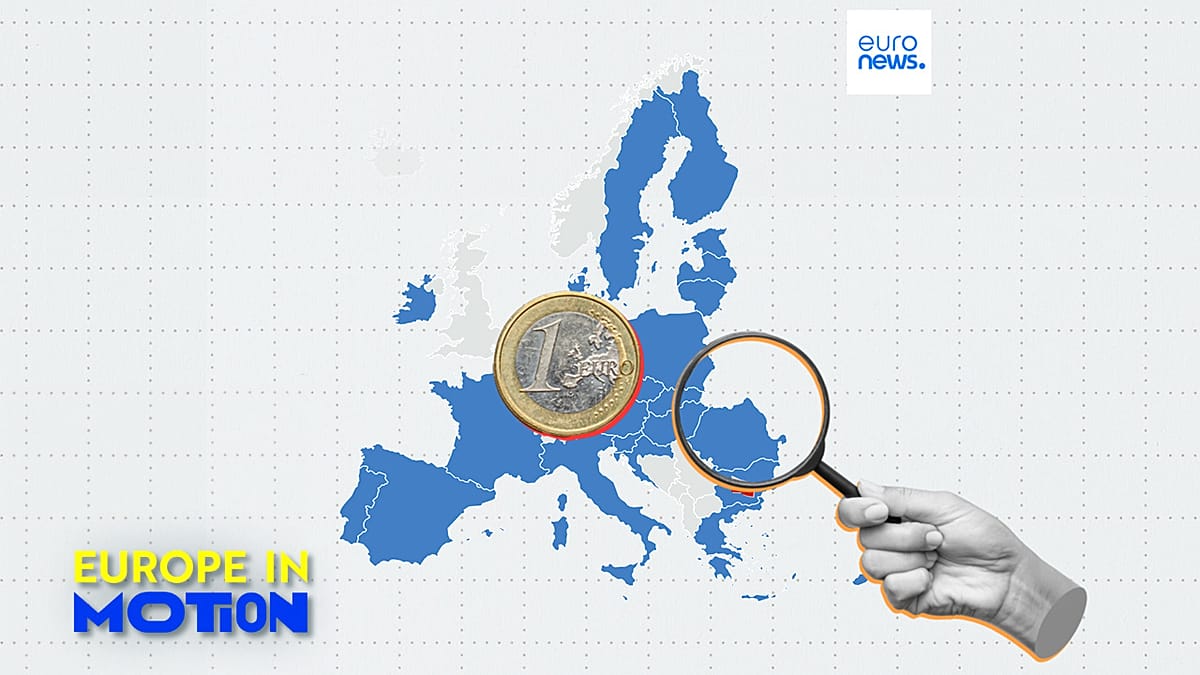
As Bulgaria bids farewell to the Lev and usher in the new year, a new Eurobarometer survey finds that almost 80% of respondents across the eurozone believe the euro is good for the EU.
Support for this currency is highest in Finland (91%), Lithuania (85%), Slovenia (85%) and Slovakia (85%).
Meanwhile, only 38% of Croatians say the euro is good for their country, a figure that has fallen by 6 percentage points since 2024.
Estonia and Belgium also saw significant declines in support, dropping by 6 and 5 points respectively.
Most Croatian respondents said that the introduction of the euro had a negative impact on prices during the transition period.
In Croatia, 59% of respondents still convert prices from euros to Croatian kuna when making purchases.
Despite the majority of eurozone citizens saying the euro helps them feel European, only 46% of Croats agree with this statement.
Younger respondents are more likely to think the euro is good for their country and the EU.
Those aged 15-24 (76%) are most likely to say that having the euro is good for their country, while those aged 25-39 (71%), 40-54 (69%) and over 55 (69%) are least likely to hold this view.
How does the euro affect prices?
Some 79% of EU pollsters claim that the euro has made it easier to do business in various EU member states, with similar sentiments persisting in Slovenia, Belgium and France.
Around 8 in 10 respondents also believe that the euro has made it easier to compare prices and shop in different countries.
Almost half of EU respondents (48%) believe that the euro has reduced bank fees when traveling to EU countries, while 32% believe that the currency has no impact on such fees.
More than half of respondents in the euro area say the euro has made it easier and cheaper to travel.
However, not all coins are welcome.
Around six in 10 respondents across the euro area are in favor of abolishing the 1 and 2 euro cent coins.
Currently, various forms of national legislation force or encourage euro coins, especially rounding the final purchase price in stores and supermarkets to the nearest 5 cents. This is the case for Belgium, Finland, Ireland, the Netherlands and Slovakia.
Bulgaria is the EU’s poorest member state and many expect it to join the euro, but revitalize the economyconcerns about inflation and political instability continue.