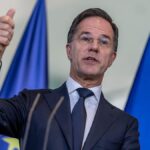
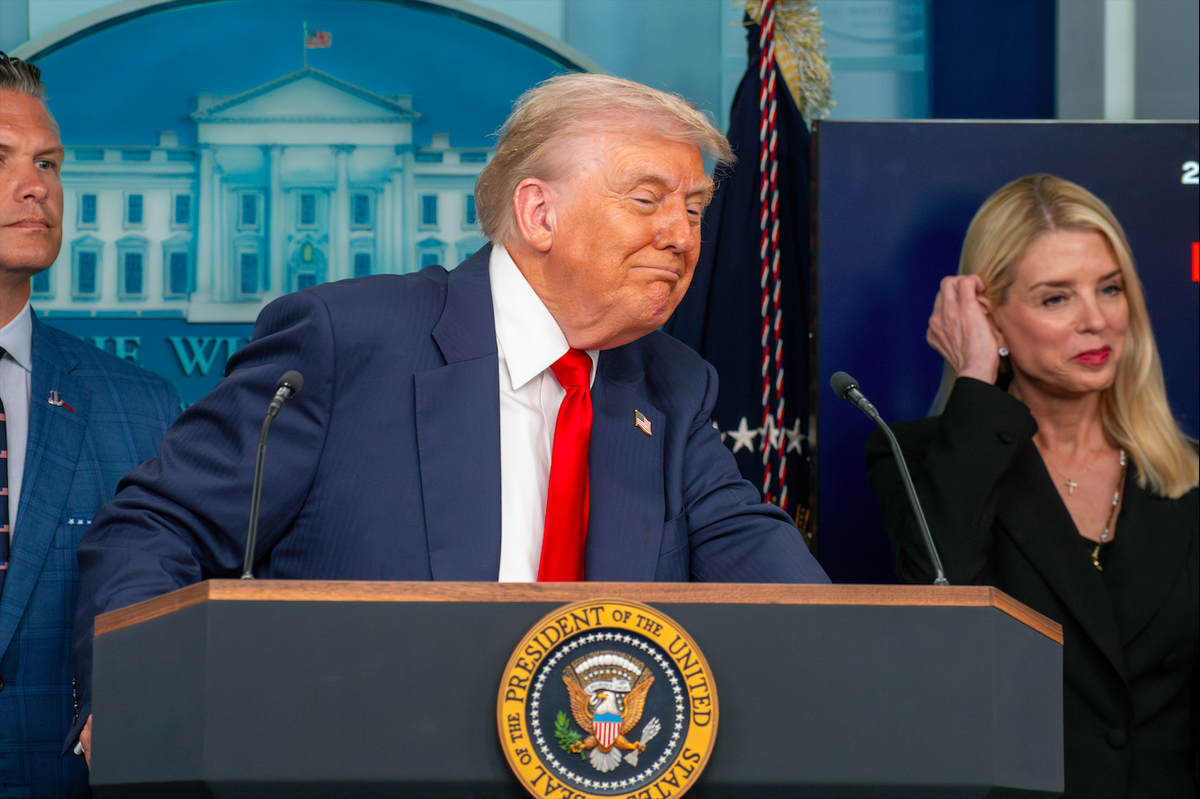
President Trump said the seized oil could be sold, stored or used for strategic stockpiles. Photo credit: Joey Sussman/Shutterstock
As the United States ramps up economic and diplomatic pressure, US President Donald Trump says he will take wise action if Venezuelan President Nicolás Maduro resigns. Speaking to reporters at his Mar-a-Lago resort in Florida, Trump suggested Maduro still had the option of leaving office voluntarily, but warned that remaining in power could lead to further consequences.
The president’s comments coincide with an intensification of U.S. measures against Venezuela’s energy sector, including maritime operations targeting crude oil shipments. Officials described the move as part of a broader effort to isolate Maduro’s government economically and politically.
US targets Venezuelan oil tanker
Coast Guard tracks vessel and seizes cargo
The United States has stepped up efforts to seize Venezuelan oil tankers in international waters, and the Coast Guard is actively pursuing a third vessel suspected of transporting crude oil in violation of sanctions. Two previous ships carrying Venezuelan oil have already been seized, and nearly 4 million barrels of oil are now under U.S. control.
Trump said the seized oil could be sold, stored or used for strategic stockpiles, and the ship itself would be under U.S. control. Officials described the operation as targeting a secret network used by Caracas to evade sanctions, underscoring Washington’s determination to limit the government’s access to revenues from key exports.
The intensification of the campaign is drawing attention to the operational and legal challenges of maritime law enforcement and its potential impact on global energy markets.
President Maduro responds to US pressure
Caracas rejects sanctions, warns of consequences
Venezuelan President Nicolás Maduro responded to Trump’s comments in a televised speech, arguing that the United States should focus on domestic issues rather than threatening Venezuela. He denounced the maritime operation as illegal, described it as an interference with Venezuela’s sovereignty, and accused the United States of trying to destabilize the government in order to seize control of the country’s vast oil reserves.
Caracas warned that continued U.S. actions could disrupt international oil and energy markets, increase instability in Latin America and the Caribbean, and impact the fragile global economy. Maduro reiterated that Venezuela denies involvement in drug trafficking and criticized the United States for framing the operation as part of a drug crackdown.
Military operations come under intense scrutiny
US maritime attack raises legal and humanitarian concerns
In parallel with the tanker interception, the United States is deploying military assets to the region with a stated mission to combat illegal drug trafficking. More than 20 attacks were carried out against ships in the Caribbean and Pacific Ocean near Venezuela. The U.S. military later reported that at least one person was killed in an attack on a suspected drug smuggling vessel in international waters.
Critics have questioned the legality of these operations, citing reports that more than 100 people have been killed in similar incidents. Venezuela denies involvement in drug trafficking and says the U.S. military’s actions are part of a broader attempt to provoke regime change rather than combating drug activity.
The campaign has raised concerns among legal analysts and international observers about compliance with international maritime law and the proportionality of the use of force.
International response and UN involvement
Russia, China support Caracas at UN
The escalation of the conflict provoked strong reactions from Russia and China. Russian Foreign Minister Sergei Lavrov expressed concern about the US operation, warned of the potential impact on regional stability and international shipping, and reaffirmed Moscow’s support for the Venezuelan government.
China also criticized the US action, said the seizure was a violation of international law, and reaffirmed Venezuela’s right to pursue independent development and cooperation with other countries. At Venezuela’s request, with support from Russia and China, the United Nations Security Council is scheduled to meet to discuss the crisis. President Maduro warned in a letter to member states that continued interference with Venezuela’s energy exports could have far-reaching implications for the global economy.
Summary of key points
- President Trump said he would do the smart thing if Maduro were to resign.
- U.S. Coast Guard tracking third oil tanker linked to Venezuela after two vessels seized
- Approximately 4 million barrels of Venezuelan oil and two ships are currently held by the United States.
- President Maduro condemned the US measures and accused the US government of illegal interference
- US military attacks in the region raise legal and humanitarian concerns
- Russia and China support Venezuela at UN Security Council
Risks rising due to growing conflict
With ongoing oil seizures, military operations, and international diplomatic intervention, the conflict between Washington and Caracas is entering a more complex phase. President Trump’s statements strengthen the administration’s focus on Venezuela, while the involvement of Russia, China, and the United Nations Security Council highlights the growing international dimension of the crisis.
Analysts have warned that the situation could have far-reaching implications for global energy markets, regional stability and international maritime law. Escalation is likely to continue in the coming weeks as Washington maintains pressure, Caracas defends its sovereignty, and world powers assess the outcome of this unfolding conflict.