
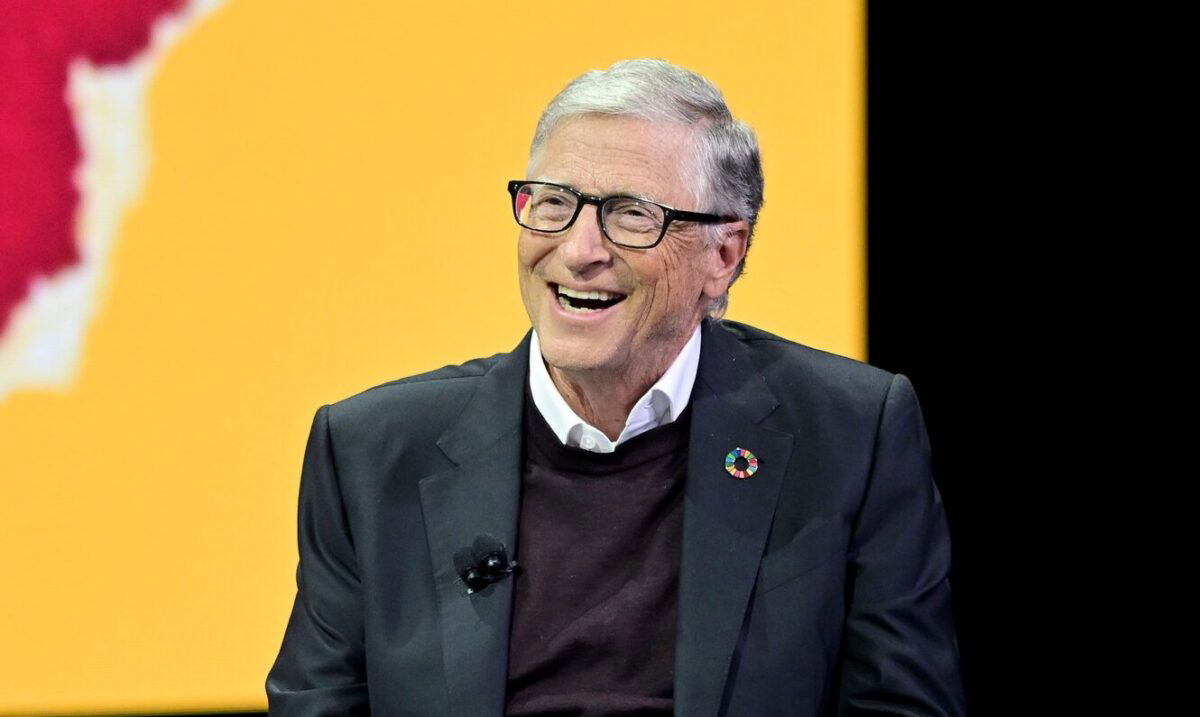
In a move that has sparked anger and distrust, billionaire Bill Gates is backing a revolutionary and highly controversial synthetic butter that is produced entirely in a laboratory, without the use of cows, farms or traditional agriculture.
The product, developed by startup Savor, is made by synthesizing fat molecules from carbon dioxide (obtained from air) and hydrogen (from water) through a thermochemical process. Gates argues that not only is the imitation butter indistinguishable from real butter, but it is also much better for the environment, potentially reducing emissions and resource use associated with dairy production. But many are in shock. There’s no way a chemical concoction brewed in an industrial vat could be “better” than butter made from grass-fed cows on natural pastures. Critics, including farmers and ordinary consumers, see it as the latest step in a broader plan to destroy traditional agriculture.
What is Saber’s Lab Made Butter?
Savour’s butter is created using a patented process that heats and oxidizes a combination of CO₂ and hydrogen, resulting in fat molecules that they claim are “identical” to those found in dairy butter. No animals, plants, agricultural land, fertilizers or palm oil are used. The final product contains water, natural emulsifiers such as lecithin, and minimal fragrances and colorants.
So where are we now?
- Already used: Partnerships with high-end restaurants and bakeries. Chocolate featuring it will be released during the 2025 holiday season.
- Retail timeline: A wider range of supermarkets will be available around 2027.
Click here for official details taste Via Breakthrough Energy, Gates’ investment arm.
Gates’ outlandish environmental claims
Bill Gates personally endorses the product, writing on his blog, “I tasted Savor’s product and couldn’t believe I wasn’t eating real butter.” “The idea of switching to lab-made fats and oils may seem strange at first, but the potential to significantly reduce carbon emissions is enormous.”
He claims the process is a huge improvement over dairy products, as it emits “no greenhouse gases” and uses no agricultural land, leading to higher emissions from cows and feed production. Full post: GatesNotes – Greasy and earth-friendly. Saber also argued this, saying their fats could eliminate the impact from animal/plant-based oils, which contribute to about 7 percent of global emissions.
Backlash from social media users: ‘Disgusting’ and ‘dystopian’
Public reaction to X was intense, with users expressing fear at the idea of synthetic fats replacing natural fats.
- @SBakerMD (Dr. Sean Baker): Memories of the elites promoting “peasant food” while owning the real product.
- @ShadowofEzra et al: They call this “Frankenbutter” and connect it to broader food control issues.
Many people refuse to try it, calling it “poisonous” or “sloppy,” and thousands vow to stick with real dairy products.
Farming community fights back
Dairy farmers and associations see this as an existential threat. The American Butter Association has lobbied the FDA against misleading labeling of substitutes, insisting that “butter” must be made from milk according to federal standards since 1906.
Farmers argue that well-managed grazing systems naturally recycle nutrients through fertilizers, support biodiversity, and sequester carbon in the soil, providing benefits that cannot be replicated in laboratory production. They worry that synthetic substitutes backed by billionaire investors could undermine livelihoods and centralize food production.
Critics have highlighted the potential economic devastation for rural areas dependent on dairy farming.
Although Saber positions its products as an anti-climate solution, the impact remains. A lab-made spread funded by one of the world’s richest men is challenging and potentially replacing one of nature’s most beloved foods. Will consumers embrace Gates’ vision or reject it entirely?